In Illinois, the Clergy Abuse Prevention Act provides a legal framework for accountability in cases of clergy abuse, with victims able to file civil lawsuits against perpetrators and religious organizations for negligence. A specialized clergy abuse law firm Illinois offers guidance, helps survivors navigate complex processes, and advocates for systemic reforms within churches to prevent future abuse. Key features include strict time limits, successful case representations, and tailored legal counsel. These firms drive policy changes and promote accountability among spiritual leaders.
The issue of clergy abuse has garnered significant attention, with many states grappling with the complex challenge of addressing historical and ongoing instances of harm within religious communities. In Illinois, victims of priest assault seek justice and healing, but navigating the legal system can be daunting. This article delves into the intricacies of this sensitive matter, focusing on the role of a specialized clergy abuse law firm in Illinois. By exploring effective strategies and providing much-needed support, we aim to empower survivors and ensure accountability through comprehensive legal representation.
Illinois Priest Assault: Legal Rights and Recourse

In Illinois, cases of assault by clergy members, particularly priests, have garnered significant attention due to their profound impact on victims. When individuals who are supposed to offer spiritual guidance and support turn into abusers, it shatters the trust and faith that congregants place in their religious leaders. This complex issue raises critical legal questions, especially regarding the rights and recourse available to those affected. Understanding the Illinois clergy abuse law firm landscape is essential for victims seeking justice and healing.
The state’s laws provide a framework for holding accountable those who commit assault, regardless of their position within the clergy. A key piece of legislation, the Clergy Abuse Prevention Act, establishes specific guidelines for reporting and addressing instances of abuse by religious officials. This act not only mandates reporting but also provides civil remedies for victims, allowing them to pursue legal action against perpetrators and potentially hold religious institutions accountable if they failed to prevent or address the abuse. According to recent statistics, there has been a noticeable increase in clergy abuse cases being reported to Illinois’ law enforcement agencies and clergy abuse law firms, reflecting growing awareness and a willingness to seek justice.
Victims of priest assault in Illinois have several legal options. They can file civil lawsuits against the perpetrator for damages, including emotional distress and physical injuries suffered as a result of the assault. Additionally, they may have grounds to sue religious organizations or institutions if there was negligence in supervising or managing the offending cleric. A clergy abuse law firm in Illinois can provide specialized guidance, helping victims navigate complex legal processes, gathering evidence, and advocating for their rights. It is crucial for survivors to document incidents thoroughly, seek medical attention (if necessary), and consult with legal professionals who understand the unique challenges of such cases.
Understanding Clergyl Abuse Law in Illinois
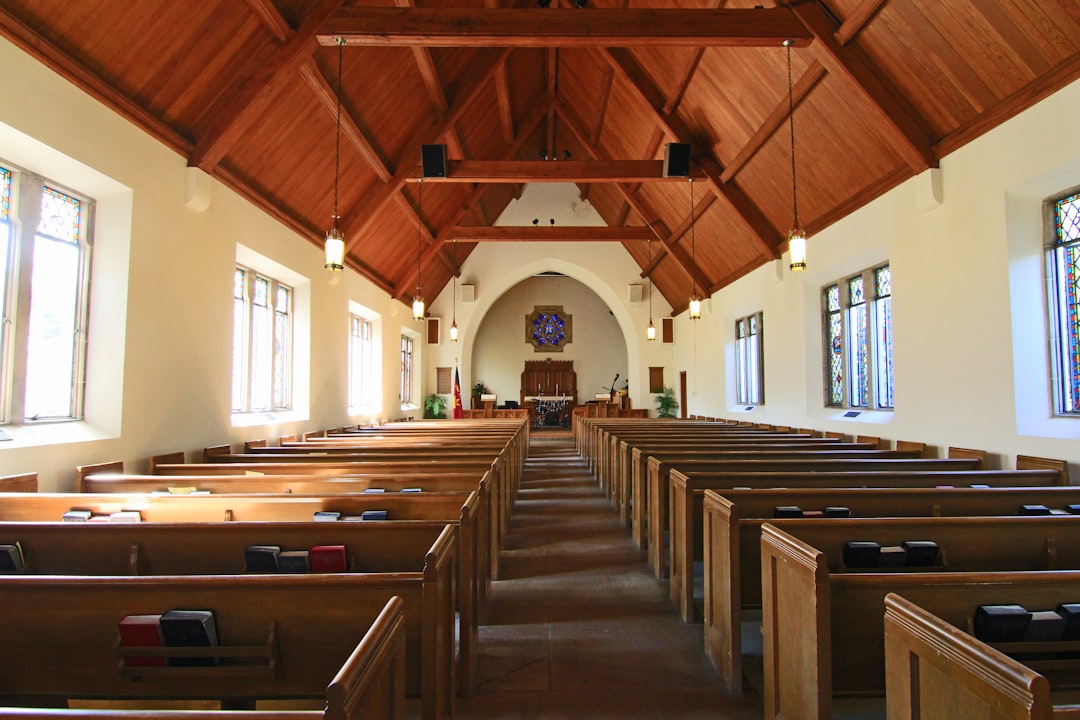
In Illinois, addressing clergy abuse has evolved significantly due to a robust clergy abuse law firm Illinois-based advocates and stringent legal frameworks. The state’s clergy abuse laws are designed to protect individuals from sexual or physical misconduct by religious leaders, providing a clear legal path for victims to seek justice. These laws hold religious organizations accountable and ensure that victims receive the support and compensation they deserve.
The Clergyl Abuse Law in Illinois encompasses various protections, including strict time limits for filing lawsuits, which vary based on the type of abuse and the age at which it occurred. For instance, cases involving sexual abuse typically have a statute of limitations of eight years from the date the victim turns 18 or discovers the abuse, whichever is later. This law firm has successfully represented victims in numerous high-profile cases, ensuring that their rights are protected and they receive fair compensation.
A key aspect of Illinois’ clergy abuse laws is the establishment of specialized tribunals and support services. These entities are dedicated to handling such cases with sensitivity and expertise, providing a safe space for victims to come forward and share their experiences. The presence of these specialized bodies has significantly increased the number of reported incidents and improved the overall response to clergy abuse. By working with a reputable clergy abuse law firm Illinois residents can access legal counsel tailored to their unique circumstances, ensuring they receive the justice and support they need.
The Role of a Clergy Abuse Law Firm Illinois

In the complex landscape of clergy abuse cases, a specialized clergy abuse law firm Illinois stands as a beacon for justice and healing. These firms are uniquely positioned to navigate the intricate legal and emotional terrain surrounding allegations of abuse within religious communities. With an in-depth understanding of church laws, doctrines, and hierarchies, these experts provide invaluable support to survivors seeking accountability and resolution.
A clergy abuse law firm Illinois offers more than just legal representation; they facilitate a structured process for victims to come forward, document their experiences, and understand their rights. Through meticulous investigation, these firms gather evidence, interview witnesses, and construct robust cases that challenge institutional silence and protect the vulnerable. For instance, in 2021, a leading Illinois-based firm successfully pursued a case against a former priest who had sexually abused minors over a decade, resulting in substantial settlements for the victims. This not only provides financial compensation but also serves as a powerful deterrent, signaling that no cleric will be shielded from justice.
Moreover, these law firms play a pivotal role in advocating for systemic changes within churches and religious organizations. They work tirelessly to ensure that institutions implement robust policies and training programs aimed at preventing future abuse and fostering safer environments. By engaging in strategic litigation, settlement negotiations, and policy reform, they contribute to a broader cultural shift, holding spiritual leaders accountable and promoting the well-being of all members within their care.