
In Illinois, addressing church abuse involves specific laws protecting victims and holding perpetrators accountable within religious institutions. Skilled clergy abuse lawyers guide survivors through civil and criminal litigation, negotiate settlements, and advocate for stricter regulations. Key indicators of spiritual abuse include excessive control over spiritual life and fear-based teachings. Survivors face unique challenges seeking legal recourse, with statutes of limitations varying from 2 to 8 years. Recent lawsuits have resulted in substantial settlements, fostering accountability. A dual approach combining legal advocacy and specialized support services empowers victims to pursue healing and justice.
The issue of clergy abuse within Illinois communities demands a focused, knowledgeable response. Many victims struggle silently, facing complex legal and emotional challenges unique to these situations. This article delves into the critical role played by an expert Illinois church abuse lawyer in navigating these intricate matters. With deep understanding and proven strategies, these advocates offer vital support, ensuring justice for affected individuals while fostering a safer religious environment. By exploring legal avenues and providing compassionate guidance, these professionals are revolutionizing how society addresses clergy abuse, leaving a lasting impact on victims’ lives and the spiritual communities they serve.
Understanding Illinois Church Abuse Laws

In Illinois, addressing church abuse is a critical matter with unique legal considerations. The state has specific laws aimed at protecting victims and holding perpetrators accountable, particularly within religious institutions. Understanding these laws is essential for individuals who have experienced clergy abuse and those seeking to prevent future instances. An expert clergy abuse lawyer in Illinois can offer invaluable guidance tailored to the complexities of such cases.
Illinois recognizes that church-related sexual or physical abuse can cause severe, lasting trauma. As a result, it has implemented legislation to ensure transparency, accountability, and support for survivors. For instance, the state requires registered sex offenders to register with local law enforcement agencies, including those affiliated with religious organizations. This measure aims to prevent potential abusers from holding positions within churches or any other entities that work closely with vulnerable populations. Additionally, Illinois has laws mandating reporting of abuse, ensuring that clergy and church leaders are responsible for disclosing incidents to the appropriate authorities.
Practical advice for individuals facing church abuse is to document all interactions and maintain records of any relevant conversations or agreements made during the resolution process. Consulting a skilled lawyer can help victims navigate the legal system effectively. Over time, these laws have proven successful in holding accountable those who commit abuse within religious settings, fostering a safer environment for faith communities across Illinois.
The Role of a Clergy Abuse Lawyer

In Illinois, where a significant number of individuals have been affected by clergy abuse, a dedicated clergy abuse lawyer plays an indispensable role in advocating for victims and ensuring justice is served. These legal professionals specialize in navigating complex legal systems while also comprehending the unique dynamics and sensitivities surrounding cases of spiritual exploitation. Their expertise extends to understanding state laws regarding sexual misconduct within religious institutions, enabling them to build robust legal strategies that protect the rights of clients who have suffered at the hands of clergy members.
A clergy abuse lawyer Illinois residents can turn to for help must possess in-depth knowledge of civil and criminal litigation processes specific to such cases. They guide victims through the often-traumatizing experience of filing lawsuits against religious organizations or individuals, ensuring that legal actions are taken within the prescribed statutes of limitations. Furthermore, these lawyers collaborate with mental health professionals to provide holistic support for clients, addressing both the legal and psychological impacts of clergy abuse. For instance, they may work alongside therapists who specialize in treating survivors of sexual trauma to offer comprehensive care and ensure a victim’s long-term healing.
In addition to litigation, these advocates engage in strategic negotiations with religious institutions to facilitate settlements that can provide much-needed financial compensation for victims. They also play a crucial role in policy development, advocating for stricter regulations to prevent future instances of clergy abuse. By working closely with legislative bodies and community organizations, they contribute to the creation of more robust safeguards within religious communities, ensuring that the vulnerable are better protected.
Recognizing Signs of Spiritual Abuse
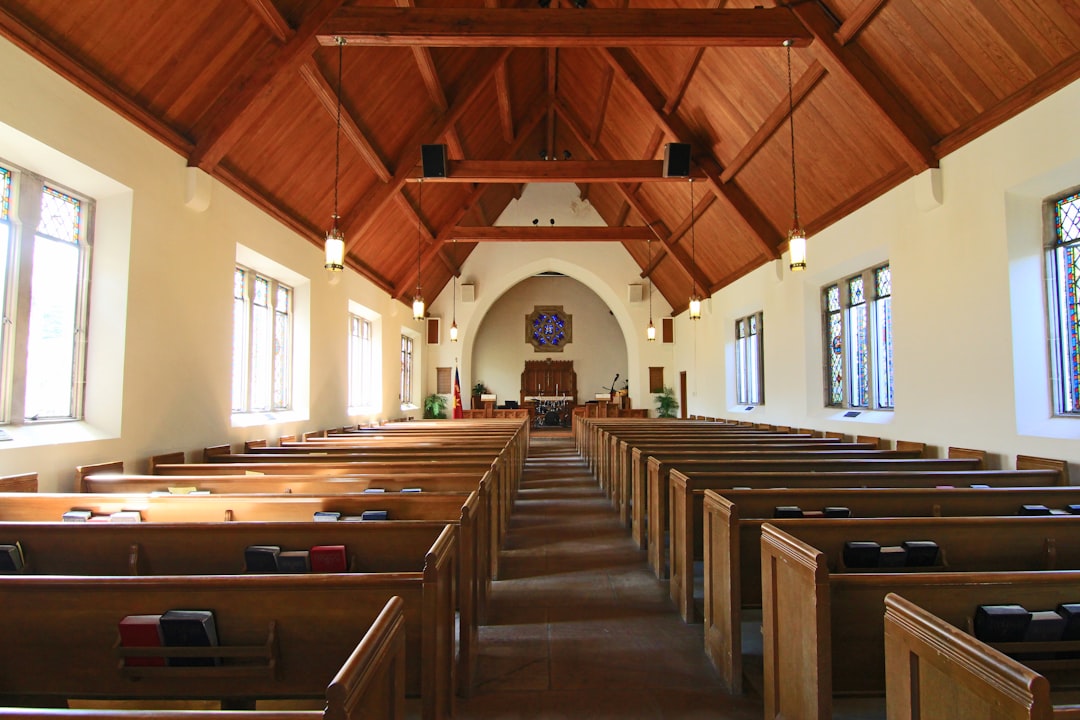
Recognizing signs of spiritual abuse within religious communities is a delicate yet crucial task, often requiring the keen eye of a seasoned expert. In Illinois, where clergy abuse lawyer professionals have navigated complex cases, understanding these indicators is vital for victims’ well-being and legal protection. Spiritual abuse can manifest in various subtle ways, distinct from typical forms of physical or emotional maltreatment. It involves manipulation of faith and beliefs to control or harm individuals, often leaving victims confused and reluctant to seek help.
One of the primary signs is excessive control over an individual’s spiritual life, where leaders dictate religious practices and interpret sacred texts in a manner that benefits their authority rather than fostering genuine spiritual growth. For instance, a pastor might discourage members from seeking outside interpretations or questioning doctrines, creating an environment of unquestioning obedience. Additionally, isolation from family and friends can be a tactic to solidify control, making it challenging for victims to receive external support or perspectives. This behavior is particularly concerning when coupled with threats or fear-based teachings, which may lead individuals to believe they are sinning or facing divine retribution for expressing doubts.
Practical advice for recognizing spiritual abuse includes encouraging open dialogue within congregations about healthy relationships with religious leaders and fostering an environment where victims feel safe to share their experiences. Engaging the services of a clergy abuse lawyer in Illinois can also provide a crucial support system, offering legal guidance while ensuring victims’ rights are protected. By being vigilant and educated, communities can better identify and address these complex issues, ultimately promoting healthier spiritual environments.
Legal Recourse for Survivors in Illinois

In Illinois, survivors of clergy abuse face unique challenges when seeking legal recourse. The state’s laws offer several avenues for those affected by sexual or emotional misconduct within religious institutions to pursue justice. One crucial role in this process is played by clergy abuse lawyers in Illinois who specialize in handling such sensitive cases. These attorneys not only possess expertise in civil law but also understand the intricate dynamics of religious organizations, enabling them to navigate complex legal and ecclesiastical terrains effectively.
Survivors should be aware that statutes of limitations exist for filing civil lawsuits related to clergy abuse. In Illinois, this typically ranges from 2 to 8 years, depending on the type of claim. Prompt action is essential as it ensures that evidence is preserved and increases the likelihood of a successful case. Legal strategies often involve constructing a strong narrative around the abuse, corroborating evidence such as medical records or witness statements, and demonstrating institutional liability if the church failed to protect the victim.
A compelling example highlights the potential impact of these legal actions. In recent years, several Illinois churches have faced lawsuits and settlements for clergy abuse, with some cases resulting in substantial monetary compensation for survivors. This has not only provided financial relief but also brought much-needed public attention to the issue, fostering a greater sense of accountability within religious communities. Survivors are encouraged to consult with experienced clergy abuse lawyers in Illinois who can guide them through the legal process, ensuring their rights are protected and their stories are heard.
Supporting Victims: Resources and Advocacy

In Illinois, supporting victims of clergy abuse requires a multifaceted approach, involving both legal advocacy and access to specialized resources. When individuals come forward with allegations of abuse within religious institutions, they often face unique challenges due to the sensitive nature of the topic and the complex dynamics at play. A skilled clergy abuse lawyer in Illinois can serve as a crucial ally for victims seeking justice and healing.
Legal advocacy plays a pivotal role in ensuring that victims’ rights are protected and that they receive fair treatment. These attorneys specialize in navigating the legal system, understanding the specific laws related to clergy abuse, and providing strategic guidance tailored to each case. They help victims understand their options, whether it involves pressing criminal charges, initiating civil litigation against the responsible parties or the institution, or both. Illinois has seen notable cases where clergy abuse lawyers have successfully pursued lawsuits, securing substantial settlements for clients and holding perpetrators accountable.
Beyond legal representation, resources specifically designed to support survivors of clerical abuse are essential. These include counseling services with trained professionals who understand the complex psychological impact of such trauma. Organizations in Illinois offer confidential support groups where individuals can share their experiences, fostering a sense of community and understanding. Additionally, hotlines provide immediate assistance, offering information and guidance to those who have experienced clergy abuse. By combining legal advocacy with these specialized resources, victims in Illinois can navigate their journeys towards healing and justice more effectively.