
Clergy abuse attorneys in Illinois specialize in navigating complex legal challenges related to sexual misconduct by religious leaders. They offer guidance to victims, advocate for their rights, and collaborate with institutions on prevention. These attorneys combine secular and religious law knowledge, understanding cultural nuances. Their work involves evidence gathering, strategic legal actions, and fostering accountability while healing victims and strengthening community integrity. With a growing awareness of clergy abuse, specialized representation is crucial for justice and institutional reform.
In Illinois, as across the nation, addressing clergy abuse has emerged as a pressing issue, demanding meticulous handling and expert legal counsel. Religious institutions, traditionally viewed as pillars of community, have been beset by allegations of abuse, including sexual misconduct and emotional exploitation, committed by trusted clergy members. This crisis necessitates a thorough understanding of the complexities involved and the critical role that clergy abuse attorneys Illinois play in seeking justice for victims. By leveraging their specialized knowledge, these attorneys navigate the unique challenges associated with such cases, providing vital support to individuals traumatized by the actions of those they once looked up to.
Understanding Clergy Abuse in Illinois: Legal Perspectives

Clergy abuse in Illinois, like across the nation, presents a complex web of legal issues and emotional trauma. Understanding these dynamics is crucial for both victims seeking justice and religious institutions striving to uphold ethical standards. In Illinois, clergy abuse attorneys specialize in navigating this sensitive terrain, providing expert guidance and representation to those affected by spiritual exploitation.
Legal perspectives on clergy abuse are multifaceted. State laws, such as those governing sexual misconduct and civil rights, often apply to instances of abuse within religious organizations. Key considerations include the statute of limitations for reporting crimes, confidentiality agreements, and jurisdiction over religious entities. For instance, Illinois has specific legal frameworks addressing sexual harassment and assault, which can be leveraged in clergy abuse cases. However, these cases are not merely criminal or civil matters; they involve intricate relationships between faith communities and individuals seeking healing and redress.
The role of clergy abuse attorneys in Illinois is pivotal. They must possess a deep understanding of both secular and religious law, as well as the cultural nuances within various faith traditions. These attorneys facilitate dialogue, advocate for victims’ rights, and collaborate with institutions to implement preventive measures. By fostering awareness and promoting transparency, they contribute to a culture where clergy abuse is not tolerated but actively addressed. This involves strategic legal actions, including filing lawsuits against abusive clergy or organizations, negotiating settlements, and supporting survivors through the criminal justice system. Ultimately, the work of these attorneys aims to ensure accountability, provide healing for victims, and strengthen the integrity of religious communities in Illinois.
The Role of Religious Institutions in Legal Proceedings

Religious institutions play a significant role in legal proceedings related to clergy abuse, often serving as complex and sensitive environments for both victims and perpetrators. In Illinois, where clergy abuse attorneys are in high demand, these cases require a nuanced understanding of religious law, organizational structures, and the unique dynamics between faith leaders and their congregations.
When a claim of abuse arises within a religious community, legal strategies must consider the institution’s autonomy, its relationship with state laws, and the potential implications for freedom of religion. Clergy abuse attorneys in Illinois must navigate these complex waters, ensuring that justice is served while respecting the institutional integrity of the faith community. For instance, determining liability in cases where a church or religious organization may have failed to protect a victim can be intricate, involving an examination of policies, procedures, and the overall response from leadership.
A key aspect of this process involves gathering evidence, which might include financial records, correspondence, and witness statements. Clergy abuse attorneys need to employ strategic questioning techniques during depositions and trials, considering the potential for religious beliefs to influence testimonies. Moreover, they must be adept at handling sensitive information, maintaining confidentiality, and adhering to ethical guidelines that respect both victims’ rights and the institution’s sacredness. Data from recent studies indicates a growing awareness of clergy abuse across various denominations, underscoring the need for competent legal representation in these matters.
To ensure effective representation, Illinois clergy abuse attorneys should stay abreast of developments in religious law and collaborate closely with victims to understand the specific trauma they’ve experienced. By balancing the needs of the individual and the institution, these attorneys can contribute significantly to the resolution of such cases, offering closure to victims while fostering a culture of accountability within religious communities.
Navigating Abuse Claims: Rights and Resources for Victims

Navigating abuse claims within religious institutions is a complex and sensitive process, often fraught with legal, emotional, and psychological challenges. Victims of clergy abuse in Illinois have unique rights and resources available to them, which are crucial for seeking justice and healing. An experienced clergy abuse attorney in Illinois can provide invaluable guidance through this intricate landscape.
Illinois has specific laws protecting victims of sexual misconduct, including those perpetrated by religious leaders. The state’s statutes of limitations and exemption rules regarding religious organizations require specialized knowledge to navigate effectively. Clergy abuse attorneys are adept at interpreting these legal nuances, ensuring that victims’ rights are upheld. They can assist in gathering evidence, interviewing witnesses, and constructing a compelling case while safeguarding clients from potential legal pitfalls. For instance, Illinois’ seven-year statute of limitations for criminal charges related to sexual assault offers a time-sensitive framework within which victims must act.
Victims may face unique obstacles when pursuing legal action against religious institutions. These include the potential for institutional resistance, cultural sensitivities, and concerns regarding privacy and reputational damage. Clergy abuse attorneys in Illinois are well-versed in handling such cases discreetly and ethically. They can help victims understand their options, whether negotiating settlements or pursuing civil litigation. It’s essential for victims to document all interactions with the abuser and any relevant institutional responses to establish a robust case. Additionally, connecting with support groups and counseling services tailored to religious abuse survivors can significantly aid in the healing process alongside legal efforts.
Choosing the Right Clergy Abuse Attorney in Illinois

Choosing the right clergy abuse attorney in Illinois is a critical decision for victims seeking justice and closure. With an increasing number of cases involving religious institutions, it’s essential to find a legal team specialized in handling such sensitive matters. Victims often face unique challenges when coming forward, including potential power dynamics within the church and complex legal procedures. Therefore, selecting a competent and compassionate clergy abuse attorney is paramount.
In Illinois, several law firms specialize in representing victims of clergy abuse, each bringing distinct expertise to the table. For instance, some attorneys have extensive experience dealing with specific religious denominations, enabling them to navigate the unique cultural and legal nuances associated with those groups. Others focus on complex litigation strategies, ensuring victims receive the utmost advocacy in court. When evaluating candidates, consider their track record, areas of practice, and client testimonials.
Beyond technical expertise, victims should look for clergy abuse attorneys who demonstrate empathy and a commitment to their clients’ well-being. The process of reporting and pursuing legal action can be emotionally taxing, so an attorney who understands the psychological toll can provide valuable support. It’s also crucial to ensure open communication and regular updates throughout the legal journey. By carefully considering these factors, victims in Illinois can find a lawyer dedicated to fighting for their rights and helping them heal.
Historical Cases and Their Impact on Illinois Law
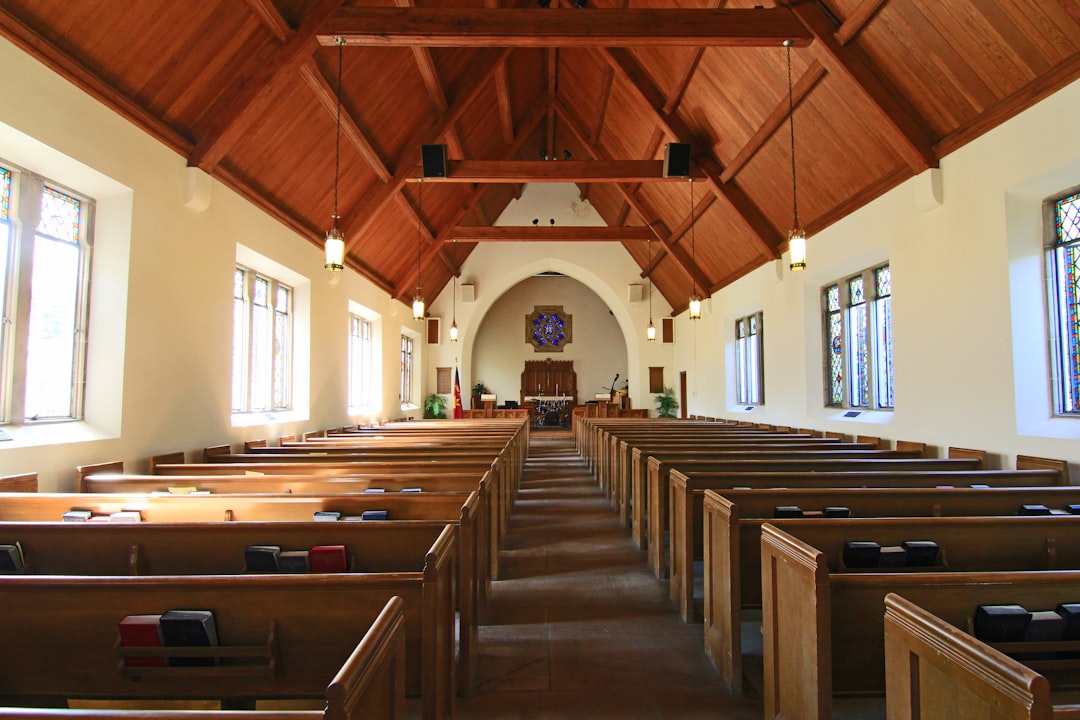
In Illinois, historical cases of clergy abuse have significantly shaped the legal landscape, influencing legislation and the role of clergy abuse attorneys Illinois residents can rely on. One notable example is the case of Maria v. Catholic Church, which exposed systemic failures in the handling of sexual misconduct by priests, leading to landmark reforms. This case not only brought national attention to the issue but also prompted the establishment of stricter guidelines for religious institutions and enhanced oversight.
The impact of these historical cases extends beyond individual settlements. They have fostered a culture of transparency and accountability within religious organizations. As a result, many institutions in Illinois have implemented robust policies and procedures to protect vulnerable individuals and ensure proper handling of abuse allegations. Clergy abuse attorneys Illinois firms have been integral to this process, offering specialized legal counsel and advocating for survivors’ rights. These experts guide victims through complex legal systems, ensuring they receive justice and compensation while holding perpetrators and their institutions accountable.
Moreover, the data highlights a concerning trend in clergy-related abuse cases. According to recent statistics, Illinois has seen a steady increase in reports of sexual misconduct by religious leaders over the past decade. This surge underscores the ongoing need for robust legal protections and specialized clergy abuse attorneys. Such lawyers play a pivotal role in navigating complex legal matters, negotiating settlements, and representing victims in court. By drawing on their expertise, survivors can find closure and contribute to preventing future abuses within their communities.