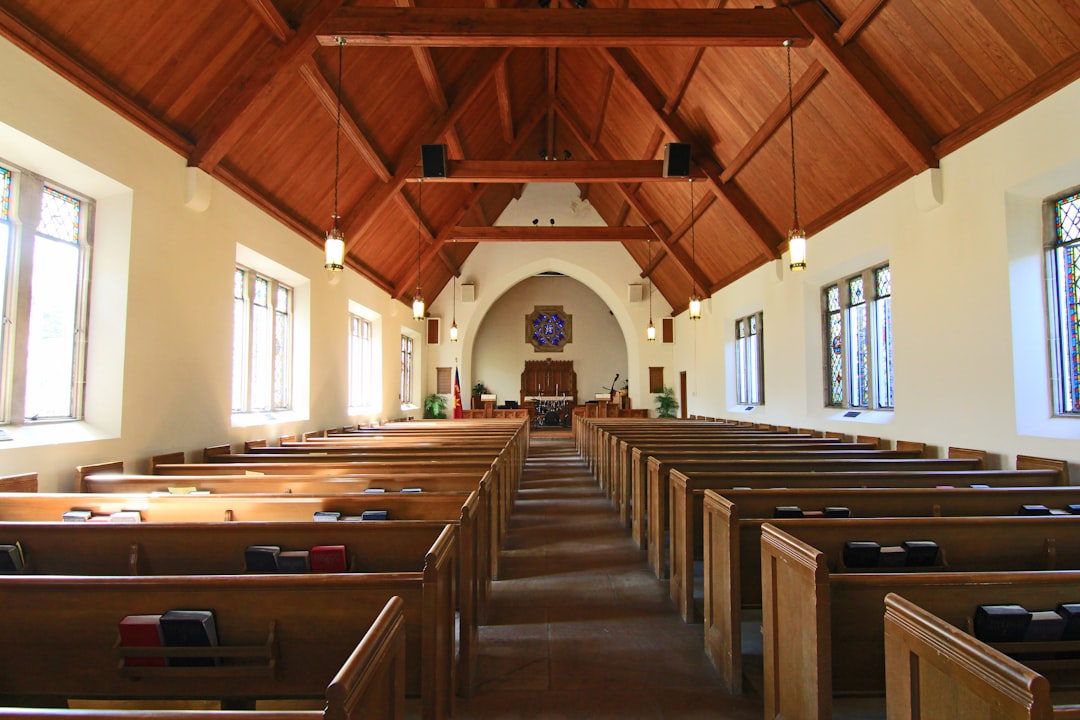
Clergy abuse attorney Illinois are vital for addressing a significant issue impacting 1 in 4 individuals involved in organized religion in the state. These attorneys guide victims through legal processes, educate communities and religious leaders, and advocate for transparency, accountability, and prevention. Key strategies include strategic documentation, public awareness campaigns, and collaboration with support groups. Survivors have critical legal resources available to navigate complex systems and seek justice for institutional abuse within religious organizations. Clergy abuse attorney Illinois play a crucial role in holding religious institutions accountable through strategic legal approaches and social initiatives.
In Illinois, where the issue of clergy abuse has garnered significant public attention, victims are coming forward with stories of trauma and harm inflicted by trusted religious figures. This phenomenon demands a dedicated and knowledgeable legal response, which is why an Illinois religious institution abuse attorney plays a crucial role in holding accountable those who have committed such abuses. With their expertise in navigating complex legal systems and understanding the unique challenges faced by survivors, these attorneys offer a beacon of hope for those seeking justice and healing. This article delves into the critical work of these specialists, providing insights into how they combat clergy abuse and advocate for victims’ rights.
Understanding Clergy Abuse: Recognizing Red Flags in Illinois

In Illinois, clergy abuse is a serious issue with profound impacts on victims. Understanding red flags is crucial for identifying potential cases, allowing for timely intervention and support. According to recent studies, approximately 1 in 4 people who have been involved in organized religion will experience some form of abuse, making it vital for communities and institutions to be vigilant. A clergy abuse attorney Illinois can play a critical role in these scenarios, offering expertise in navigating complex legal issues while ensuring victims receive justice and healing.
Recognizing red flags requires a nuanced understanding of various forms abuse can take within religious settings. These include emotional manipulation, sexual misconduct, financial exploitation, and physical or verbal abuse. For instance, a clergy member may use their position to exert control over congregation members, isolating them from family or community support networks. Alternatively, abuse might manifest as inappropriate touching during counseling sessions or the misuse of confidentiality privileges. Illini residents should be particularly cautious if a spiritual leader exhibits extreme mood swings, displays uncalled-for aggression, or makes suggestive comments with no religious context.
Actionable advice for both individuals and communities involves fostering an environment of transparency and accountability. Encouraging open dialogue about abuse and implementing robust reporting mechanisms are essential steps. Victims should be encouraged to reach out to trusted individuals or organizations, including a clergy abuse attorney Illinois, who can guide them through the legal process while ensuring their privacy is respected. Educational programs focused on recognizing and preventing abuse within religious communities can empower members to take proactive measures in protecting themselves and others. By heeding these signs and taking appropriate action, Illinois can work towards creating safer environments for all faith-based interactions.
The Role of a Religious Institution Abuse Attorney in Illinois
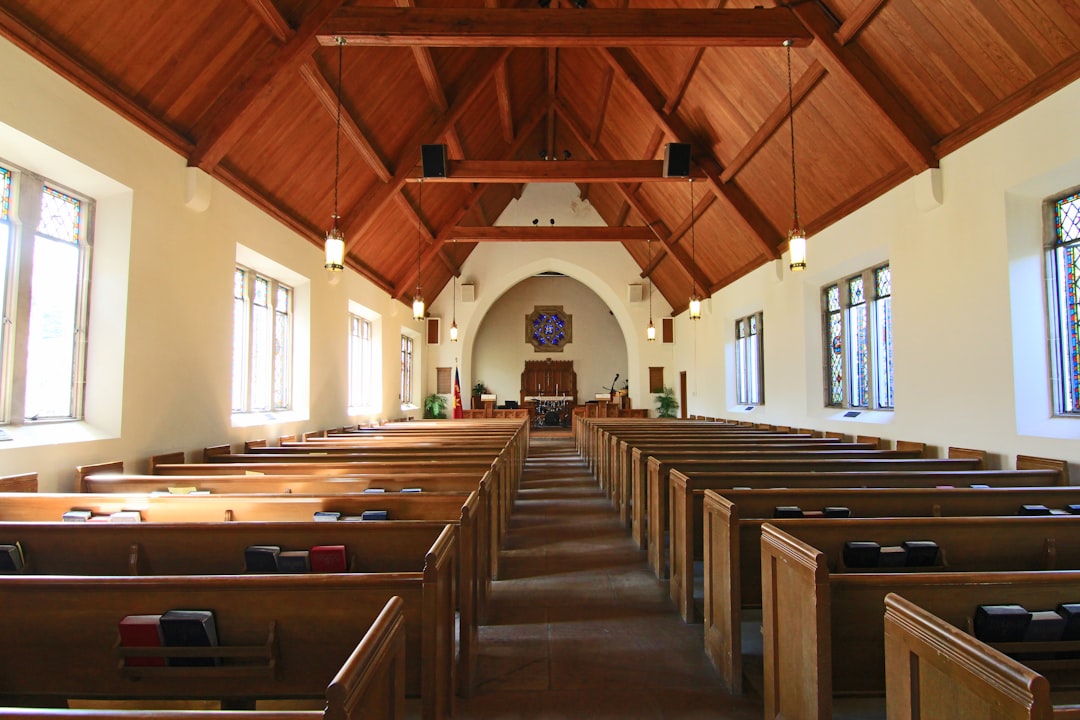
In Illinois, where religious institutions hold a significant place in the community, addressing instances of abuse within these settings is paramount. This is where a clergy abuse attorney Illinois comes into focus, serving as a critical advocate for victims seeking justice and healing. The role of such an attorney extends beyond legal representation; they provide expertise tailored to the unique complexities of religious institution cases. These lawyers must navigate sensitive matters, often involving deeply personal and faith-based contexts, while upholding the rights of individuals harmed by clergy members or institutional policies.
A key aspect of their work involves understanding the specific laws and regulations pertaining to religious organizations in Illinois. This includes familiarizing themselves with state-mandated reporting requirements for suspected abuse, ensuring that clients’ disclosures are legally protected, and guiding them through the processes of filing civil lawsuits or pressing criminal charges where applicable. For instance, in 2022, a clergy abuse attorney Illinois successfully represented several plaintiffs who had suffered childhood trauma at the hands of priests, securing substantial settlements that not only compensated victims but also brought much-needed attention to systemic issues within the church.
Furthermore, these attorneys play a vital role in fostering awareness and prevention. They often collaborate with local communities, churches, and support groups to educate both religious leaders and members about recognizing and reporting abuse. By offering expert insights during workshops or webinars, they contribute to creating safer environments within places of worship. For example, a prominent clergy abuse attorney Illinois has been invited to speak at multiple interfaith gatherings, sharing strategies for identifying potential predators and implementing robust protection measures, which have since inspired several religious denominations to overhaul their safety protocols.
Legal Rights and Resources for Survivors in Illinois
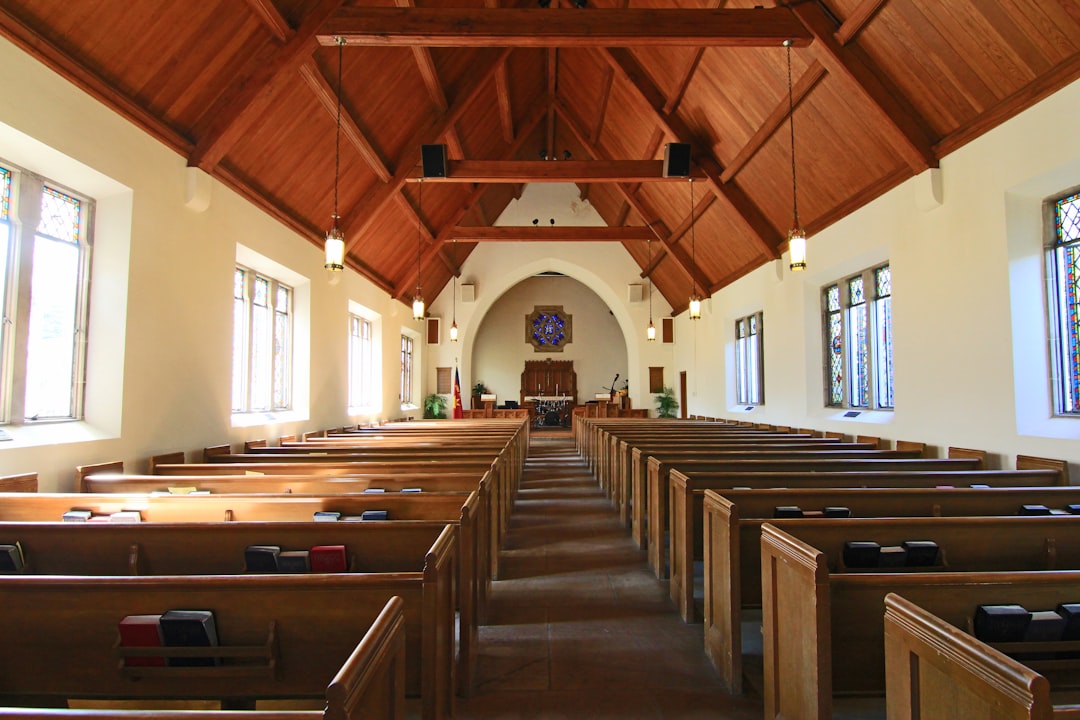
In Illinois, survivors of clergy abuse face unique challenges in seeking justice and healing due to the sensitive nature of their experiences. Legal rights and resources are critical components of support for these individuals. A specialized clergy abuse attorney Illinois can play a pivotal role in navigating complex legal systems and advocating for victims’ rights. These attorneys are well-versed in understanding the dynamics of institutional abuse within religious organizations and possess the expertise needed to guide survivors through potential legal avenues.
Survivors in Illinois have several legal options available, including filing civil lawsuits against the abusers and/or the institutions that enabled or protected them. A clergy abuse attorney can help file these suits for sexual assault, emotional distress, or negligence, among other causes. Key resources include the Illinois Department of Children and Family Services, which investigates reports of child abuse, and local law enforcement for adult victims. Additionally, support groups and counseling services provide essential emotional assistance during legal processes.
Practical advice for survivors involves documenting all interactions related to the abuse—including any evidence, witness statements, or records from the institution—as early as possible. This documentation significantly aids a clergy abuse attorney Illinois in building a robust case. Legal professionals can connect survivors with pro bono services or refer them to organizations that offer financial assistance for legal fees. With dedicated support, survivors can navigate their legal rights effectively and work towards achieving justice and closure.
Holding Institutions Accountable: Strategies by Clergy Abuse Attorney Illinois

In Illinois, holding religious institutions accountable for clergy abuse is a complex yet vital task. A skilled clergy abuse attorney Illinois plays a pivotal role in navigating this intricate legal landscape, ensuring justice for victims and sending a clear message that such misconduct will not be tolerated. These attorneys employ strategic approaches to expose institutional negligence, cover-ups, or intentional neglect, utilizing both state laws and church governance structures.
One of the primary strategies involves meticulous documentation and evidence collection. A clergy abuse attorney Illinois gathers detailed records, including incident reports, correspondence, financial documents, and witness statements, to build a comprehensive case against the institution. They may also engage in complex legal research to identify relevant statutes, such as those regarding child protection, sexual harassment, or organizational liability, which can be leveraged to hold the institution responsible. For instance, Illinois has strict laws concerning the reporting of child abuse, and failure by religious organizations to comply can result in significant legal repercussions.
Additionally, these attorneys often facilitate public awareness campaigns and support victim advocacy groups. By shedding light on prevalent issues through media engagement, community forums, or legal briefs, they contribute to a broader cultural shift, encouraging open dialogue about clergy abuse and fostering an environment where victims feel empowered to come forward. This multifaceted approach ensures that religious institutions are held accountable, not only legally but also socially, for their handling of clergy abuse cases.